
Dusty44
-
Posts
133 -
Joined
-
Last visited
Everything posted by Dusty44
-
Read/watch the link at your own risk. Put down your coffee first for the sake of your keyboard. The topic of the thread is "Best survival guns." [table][tr][td] #10 04-18-2012, 12:07 PM[/td][/tr][tr][td][table][tr][td][table][tr][td]dakota1911 Senior Member Join Date: Feb 2006 Location: The Great American Desert Posts: 5,619 [/td][/tr][/table][/td][/tr][tr][td] My grandfather who was in WWI said he liked the Colt 1911 because when you ran out of ammo you still had a piece of pipe with a handle. I have owned about every Glock and do not like them that much. If you like 1911s over Glocks the link below might be fun. Live through the 30 second or so and and the rest is good. http://www.youtube.com/watch?v=cdxrl...&feature=share The fun part is the only Glocks I still own are mod 36's. I like them, but most of my Glock loving friends hate them. Go figure. Blocks. No grip safety. No thumb safety. Nothing but you and the "twinkle trigger" between you and bang. __________________ NRA Life Member [/td][/tr][/table][/td][/tr][/table]
-
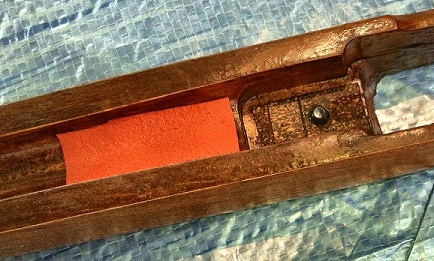
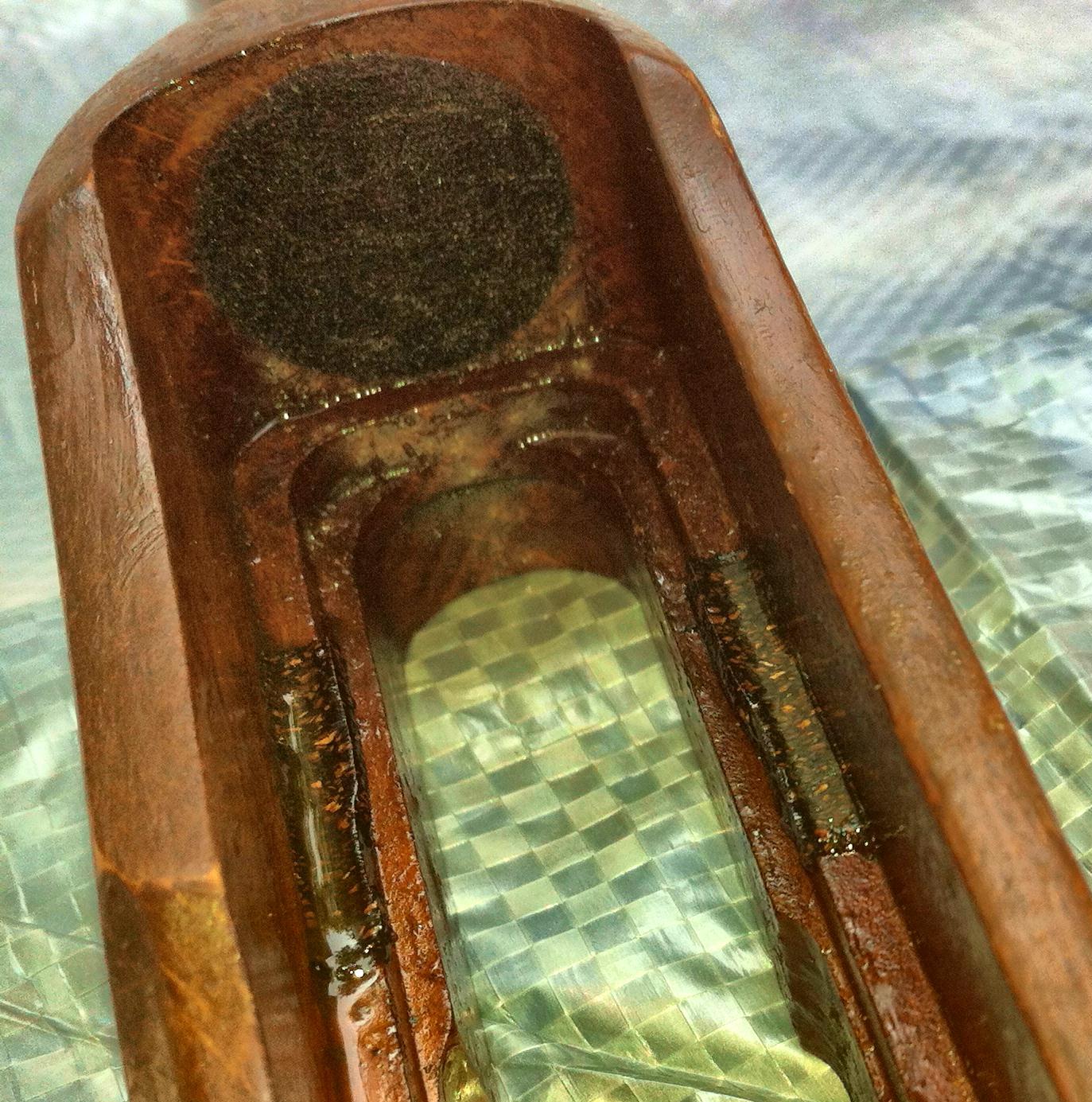
Some of the things that were and seem to now be very popular in modifying the 10-22 may also be changes done by the factory. I saw a person at the range shooting his 10/22 and noted the big extended mag release. When I asked about it he said his rifle was brand new out-of-the-box. I think it would be good to be sure any replacement parts you buy are really needed? I spent considerable cash buying the list of parts that were suggested on a web forum and by a vendor I found. In retrospect, most of them were identical to the OEM parts or, a thing that seemed to be tooling wear for the cut of the firing pin was probably deliberate. Very specifically, the replacement firing pin had a neat square cut where the pin strikes the rim of the cartridge. Ruger's original pin was cut a little angled like the punch at the factory was worn; but that little angle and narrowing would increase effective force against the cartridge rim and might have reduced the early misfire count. Or, the way Ruger made the firing pin was deliberate and better. I would note right here that early-on, the misfire rate of my 10-22 might have approached 10%. I collected these misfires, put them back into the rifle, and almost all of them fired on the second time around. As the total number of rounds run through my rifle has climbed, the misfire rate has dropped. On my last trip to the range I think there were no misfires. This might be due some to the brands and kinds of 22 ammo I am using, but I think mostly that the moving parts of the innards of the rifle needed to wear enough to work smoothly and properly together. Before trying to work on your Ruger 10/22, find a pictorial diagram of the assemblies on the internet and if possible print the image for now and the future. The discussion below assumes you have such a print to look at and use. My print is 4 pages, each different. I know the source has changed name and may not still be on the web so there is no point in presenting the URL. When you modify any of your guns you should save the removed parts unless they are damaged. Put them in a container, a box or a zip lock bag, and label the box or put the label inside the zip lock with the parts. Gun model and caliber, serial number, date of purchase of the gun or date of modification and specify which or both of these dates are written down. Keep the parts where you or someone later can find them. Always keep some kind of file with all documents relating to the purchase and any permits and all other information relating to your guns. Maybe it is too much trouble for most things, but guns need special care!! Now let me run through the parts that I think were worth changing on my rifle. First, I put in a new barrel wedge, B-66. For the vintage of my rifle and earlier this part was aluminum and all corners and edges were cut square and clean. My replacement barrel wedge is also aluminum but the interior corners are smoothly rounded. The story for that is that the OEM wedge would eventually crack at those angle creases, but the rounded creases would stand up to the shocks indefinitely. Probably so. I think I read that Ruger is now using a steel wedge. Permanent end to problem, but check to be sure. I put almost all new replacement parts into the bolt assembly. Lots of unnecessary spending of cash in my review after inspecting OEM and replacement parts, and after a few years of shooting this rifle. Two things I did with the receiver seem well worth while. I put a polymer bolt stop, B-6, in place of the original steel stop. The polymer is softer than steel and should help reduce strain and long-term damage or wear to both the receiver and bolt. At the shooting range I note that a lot of the sound of a 10-22 is a distinct clank as the rifle fires. The polymer bolt stop reduces and softens the sound. The little polymer cylinder had microscopic burrs and spurs on the cut edges. I could force it into the first hole but there was no way it was going to go into the second hole, no matter what. I chamfered the edges by rotating the polymer cylinder so the pin was held at a 45 degree angle against the teeth of a fine metal-cutting file and rotated. The result was an almost invisible line around the end edges, but the polymer pin now slips in and out of proper position like a dream! I used two aftermarket oversize assembly pins, B-5, when I put the rifle back together. In my professional machine repair, an oversize pin, usually a heavy roll pin, even when needed, meant a fight to the death to get the thing into place. I was prepared for the fight. I was surprised and then delighted with the way this worked on the Ruger rifle. Ruger is generous with tolerances in a lot of places. The design takes most of this into account. The OEM pins would almost or actually fall out if the receiver assembly was turned on its side. The oversize pins are just a proper tight fit, still easy to slip into place. These pins hold the entire trigger assembly in place and the oversize pins took away most of the felt trigger slop. I installed an aftermarket automatic bolt release. Could not deal with the way the original bolt hold-back felt and worked. I also put in an extended magazine release. If there is not one of these already in place, the extended release lever is very nice and easier to use. I did not mess with the actual trigger or sear. There was nothing wrong with the actual trigger pull or sear release. On my rifle, the OEM trigger pull and sear release is very nice. There was, however more slop due to loose tolerances. The fix for the looseness in the trigger assembly is a set of shims. The instructions in the package of shims, two sets, two thicknesses, were desperately wrong. Remove B-19 which is an assembly and pivot pin and lift out that bigger part/assembly, B-17A. Watch closely to see where all the other parts that are going to fly out are so you can properly put everything back. Pull the buttons, B-43, off the outsides -- both sides-- of B-17A and put the thicker of the shims on the 'stem' of the mushroom shaped part. This mushroom/button is probably magnesium alloy. Very light. Magnesium is good stuff unless it catches fire. But fire is not possible in this application. If you are interested, check out "Class D Fires" and see if you can find some stories about them and magnesium burning in WW-2 on B-17 bombers. Be glad you were never involved in one of those incidents. So, you put one of the thicker shims on the back -- on the stem of the little mushroom -- one on each side, of the B-43's and put the button back in place. Now push the part/assembly called B-17A back into position along with everything else that is affected in this operation and slip B-19 back into place. I think I learned or invented some new cuss words getting the pin, B-19, back into position. Twice. I managed to get something in there backwards while trying to get the pin through all the holes properly and to fit where it did not want to go. A scribe or awl or drift pin, or all of them, might help align things. Eventually it will all work. Don't give up. Basically, all my trigger really needed to be an excellent trigger was that set of shims to tighten up the movements of parts inside the trigger assembly and the oversize pins, B-5, to tighten up the fit of this major assembly to the receiver. The new automatic bolt release and extended mag release lever are very nice gravy. Bedding the action of any rifle is usually a good thing. One of the things I bought was a bedding kit for this 10/22. It sounded too good and too easy, but . . . ::) . The bedding kit was a set of self-stick pads, cork and rubber particles. A few minutes to install, damn the . . . sticky varnish. The instructions were good, the kit seems to have worked properly. There was a pad for the fore end barrel channel, for under the barrel. I am not sure about this. I found a How-To in the last couple of weeks that said the barrel should be supported near the action and let free-float from there. I am experimenting with this and for now have moved the barrel channel pad to the rear of the channel as the How-To suggested. When I can manage some range time I will post again and tell how the experiments with floating the barrel worked out. The pictures below show placement of the pads. There is some stray oil in there, I had just pulled the action for the pics. The pads are relatively permanently compressed, a perfect fit for the action after about 4 years in place. A pad on each side to support the receiver and the big round one at the back. Another where the assembly screw attaches to the action. The red rubber pad in the barrel channel has just been moved to that position. May be that the excess pressure of that pad positioned at the front end of the barrel channel pressing the barrel up against the barrel band (original instructions that came with the kit) was a major factor in the failure of the OEM barrel band. The action now slips easily and smoothly into and out of the stock. I recall that originally a strong push was needed to compress the resilience of the pads.

-
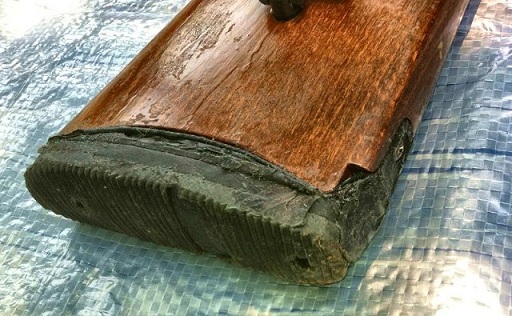
The butt plate of my new 10/22 was a pretty brass plate. Very smooth. When I put the stock against my shoulder it slipped and slid around. Not a good thing when shooting so I searched for alternatives. What I found was a ribbed butt plate in generic format. That is, it was sold as a replacement for the factory offering but arrived as a rectangular panel slightly larger than needed. It was drilled for proper placement of the screws. I attached it to the stock and used a scribe to mark the outline of the wood on this panel, on the solid plastic backing plate. Then I found a saw, I think a hacksaw and a coping saw, used them both some, to cut it out with a tiny margin for better finishing. Next was a flat metal-cutting file to bring the edge of the pad to the scribe mark and then sandpaper. A jig saw and a belt sander would have been great, but hand tools are not all that much more difficult. It would help if I had some patience. The pad was OK. Functionally it is great!! There is a soft ribbed rubber surface that clings to my clothing when I am shooting and helps accuracy a lot. The OEM plate curves and wraps around to look nice and do what it does. The new pad left a lot of awkward spaces. I put a small foam pad cut from packaging foam under the center and carefully wrapped the wood with blue masking tape and Saran Wrap to protect it. Then I filled the awkward spaces with black self-adhesive silicone seal. The silicone seal material shrank much more than I thought it would and took much longer to do so than I had any idea. Once cured, even started to cure, the silicone seal will not stick to anything, not even itself. I started trimming way too soon and it can't be fixed in any practical way. The space between the back of the wood and the plastic panel of the butt plate is considerable in the middle but paper thin at top and bottom. So at the bottom, who cares? At the top there is that extension that wraps over to the top of the stock. To try to create a little strength or durability to the silicone seal here where jelly needs some structural capability I used little shreds of fiberglass cloth from another hobby in several layers within the silicone seal. I tried real hard to create nice square corners and shapes where needed. The silicone seal was not up to it. The screw that goes into the top of the stock to secure that part of the OEM butt plate that wraps up on top had a round head and I wanted a flat head; at least a much flatter head to hold the tongue of silicone seal material in position. Everything in the hardware store was bright and shiny. Of course it was. We all have needed black finished hardware and screws for fixing things from guns to kitchen cabinetry and it is simply not going to be there. No problem. Most metal and corrosion protection plating will turn very dark or even jet black with application of a drop of cold gun blue. Not stainless; not some finishes or plating, but most. The screw I bought does not change easily and I have redone it a couple of times, but it is not too bright. I need to go buy a different screw that does respond better to the cold gun blue. Eventually. When the silicone seal was fully cured there was a thin gap between it and the wood at the back end of the stock. I tried black duct tape. What else? Sort of filled the space so daylight did not quite shine through but there was a wavy edge and the black duct tape is white under the cut edges. ??? Recently, a couple of months ago, I found some black pigskin leather used to make clothing and fashion accessories. Took the butt pad assembly off and made a spacer of the black leather. Then two. Still not enough. Number three was oversize and folded around the first two. That worked well enough. Put it all back together. Uh Oh. The screws are too loose. Turn on the problem solver. Ah!!! Open the can with the left-over Spar Varnish. Get the needle-nose pliers and a bamboo food skewer-- I use these sometimes for high strength stringers in R/C airplanes, so there are some sitting around-- and some shredded paper from the document shredder. Paper is wood fiber. Dip a half dozen paper shreds in Spar Varnish one at a time with the needle-nose pliers and use the bamboo skewer to push them down into the screw holes. Four or five across the hole, dripping with varnish, and pushed to the bottom in a star pattern. Then do it again but only push them half-way down. Each screw hole. Excess varnish slop spread on the wood of the end of the stock under the butt pad-- can't hurt a thing? But it gets messy and on the outside of the bottom of the stock. Can't get carried away! Or-- - - >:D . End up with about two tablespoons of Spar Varnish scattered all over the outside of the stock. Not prepared for this! Find a catalog in the trash; pages are not too heavily coated; start spreading and rubbing. Something familiar about this??!! End with a thin coat of Spar Varnish over and in the previous varnish. The solvent in the Spar Varnish softens or dissolves the Polyurethane Varnish and the rubbing smooths old runs and lumps. The new surface is curing almost as fast as it is spread and rubbed. By the time I am done the surface is dry enough to handle, if just slightly sticky. Back to the screw holes, now. The varnish inside has cured/dried enough to allow insertion of screws. Just once. Put the parts in place and screw the butt pad down tight! I did put a trace of gun oil on those screws earlier, but the Spar Varnish mixes with all those oils and eventually cures into a solid material--- found out on the Russian ammo box project-- and it will take longer but I will regret if and when I need to remove those screws again. The paper shreds with the varnish have created a solid attachment inside the screw holes. The new leather spacer seems to be adequate. Time to let it be. Would be really good if somebody marketed a butt pad of this same ribbing material that was a perfect match out of the box and a molded plastic spacer that fit perfectly to fill all those empty awkward spaces. I might just buy that and feel relieved. This work was mid-April 2012. The pic of the rifle at the range in the first post of this thread predates the sling and re-do of the butt pad, the other pics are afterward. The camera is always very unkind. It does not look nearly as bad in person as it does in the pic. The problems with the finish that glare at the camera here are almost invisible in person. The new rear sling swivel is visible at the top of the photo. Polyurethane varnish was dripped into that new screw hole to seal the wood there, too.
-
Why can't I leave these ancient threads alone? For most of my rifles I perch the rifle on the kitchen table on top of one of those 12-packs of bottled water. Oops! the cross bar of the window lines up right there! So, 2 12-packs, one on top of the other. Now, remove the bolt and sight the rifle bore to the cap of a chimney 4 or 5 houses away. Any convienient thing out there that measures or calculates as being somewhere near 100 yards or so away. My chimney cap is 4 houses down. 70 ft lot width X 4 houses is 280 ft. Close enough. Balance the rifle so it stays on target without touching, adjust the scope so the rifle bore and scope crosshairs are both seeing the same thing. The round hole of the bore and the way our vision work make centering the target in that little circle a natural. My rifles tend to be less than 4 inches off POA on the first shot at 100 yards at the range. The 10/22 does not cooperate because of its design. I pay the man at the gunshop to use his boresighting device. The shooting range has this service, also.
-
Does rimfire really require a rimfire scope?
Dusty44 replied to Mr. Jones's topic in Optics and sights
Very old thread. Anyway: 22 rimfire scopes are not built to cope with the recoil of a centerfire rifle. Air rifle scopes are not built to cope with the intensity of recoil a gunpowder cartridge delivers. Also, gunpowder rifle scopes are not built to cope with the kind of recoil an air rifle generates. Gunpowder pushes the rifle back. Usually with a sharply applied substantial force. End of story. An air rifle pushes back but with a rather prolonged shove. Then there is another jolt the other way. A gunpowder rifle scope will not usually tolerate the reversed recoil for very many repetitions because it is not constructed to do so. Do not mix the two different kinds of scopes on guns they are not intended for. This is a restatement of something I read somewhere that seemed to be professionally competent. I use a 'big rifle' 4X scope on my 10/22. Plenty of optical power for the effective range of the 22LR cartridge. Easy focus at 50 to 100 yards. Those are the available target distances of the places where I can shoot. My scope was cheap- $70 at Wally World (2008 ?) in a bubble pak. Might last one season (5 shots to adjust aim, 2 shots in the woods) for hunting on a big rifle but on the 22 rimfire it has a good chance of lasting forever. I have a nice little variable 22 rimfire scope. I prefer the look of the bigger 4X scope on top of my 10/22. -
WOW!!!!!!!!!!!!
-
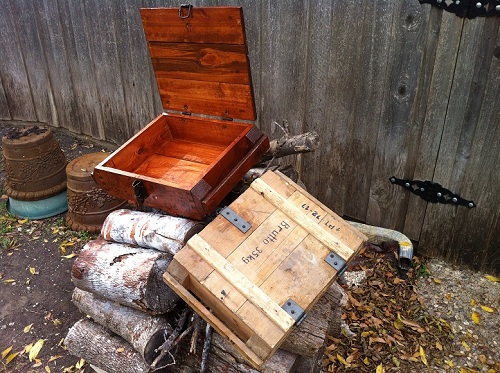
Here is an example of 'Light Walnut' stain and Spar Varnish. The subject is Russian ammo boxes for 7.62x54R ammo (used by the Russian Moisin-Nagant rifle). I bought 4 of these on a sale online (yes, empty!!) and used Light Walnut stain and Spar Varnish. This post is to give an example of the color. The ammo boxes are perched on my outdoor paint stand. I did the Ruger 10/22 refinishing indoors. The dry wood of unknown age of the 4 ammo boxes soaked up three 1 pint cans of stain. The stain dried for a week. Then the boxes soaked up a quart and a half of Spar Varnish for the first coat, got a cursory sanding after another week of drying/curing, and the final coat of Spar Varnish used a quarter-can of the varnish for all 4 ammo boxes. I did 2 boxes completely, then did the other two. I was not sure how I would finish the second pair until I saw the results of the first two. I have not looked for a How-To for this staining. I am sure I did it wrong. I wanted the stain to penetrate as deeply as possible into the wood. Then I wanted the Spar Varnish to also penetrate as deeply as possible. I deliberately flowed excess stain and varnish into the joints and under & between as much as I could manage. I ended with the effect I wanted and hopefully with a more than minimal surface color and varnish presence. This was a much bigger project than the rifle stock. I bought and used up several cheap foam paint brushes. The thin gloves mentioned earlier are wonderful for keeping hands clean. The picture is with one of the ammo boxes completed and another untouched for comparison. In the background, note the gate hinges. These hinges have been wiped with Mobil One 10W-30 Full Synthetic mixed with 25%-30% Kroil (available in some gun shops & online and in industrial supply in 1/2 pint and pint cans) (I use a small oil can that is a standard item at Harbor Freight) when they were new and again about a year ago. Normal working life of metal like this outdoors in my climate is a year or two. These hinges have been there untouched except for the 'gun oil' for 14 years. I highly recomend using this kind of oil/ oil mixture on guns. All my guns get completely washed with this oil when brand new and then cleaned and wiped with it after a shooting session. Excellent corrosion protection, lubrication, easy cleaning after shooting. Guns dry to the touch after a few days.
-
Can it be shipped back to your FFL dealer? Then your dealer can give it to you. Maybe with a handling fee?
-
The stock of the factory in-the-box 10/22 that I bought in 2008 had a minimal finish. There was much bare wood hidden under other parts. This is a result of manufacturing needs and keeping the cost low. The first thing is to remove all parts from the stock. ALL parts. To provide long-term protection from molds and moisture, put a new finish on ALL surfaces. I used polyurethane oil-based varnish. I found some 'Antique Walnut' one-step varnish that I already had and used that. It was a perfect match. An alternative that might be better is to use 'Light Walnut' stain and Spar Varnish. OK, you couldn't find "Light Walnut." Any 'Walnut' should be good. Just cover all surfaces with it to get an even color. Be aware that you will not be able to tell what the final color and effect will be until the wood is completely finished and dry!! Spar Varnish is oil-base and is for outdoors use primarily. The name comes from the use of a product like this on sailing ships (tall ships) to protect exposed wood like spars, masts, decks, whatever, that was not painted. Apply the stain, let it dry for a week or two, then begin applying the Spar Varnish. The polyurethane varnish is for indoor, but will be fine for most guns that only spend brief lengths of time outdoors. Following staining or color varnish, I used polyurethane oil-base clear satin finish for top coats. If you want a high gloss finish then use the high-gloss varnish. I prefer satin finish to reduce sparkle and mirror reflection of sunlight that might be a factor in hunting. I would have used a flat finish if it were available or if I could have found an additive for the varnish that would have made it a flat finish. Use a thin tarp over the surface where you intend to work. Thin cheap tarps are available lots of places: hardware stores, online, mine come from a Harbor Freight store that is only 2 miles away. Some newspaper to soak up spills and drips on top of the tarp help, too. My 10/22 had bare wood under the butt plate, under the barrel band, all inside surfaces where the action and barrel reside. I do tend to be a little impatient and hurried. I would suggest you take your time and do it all properly; follow some How-To's! I used paper towel wads, small folded pads for applying varnish and stain. Q-Tips are also helpful. Brushes are better, fiber brushes or foam brushes, but I really am cheep sometimes! I wear the medical-style thin gloves and change them for new and clean often. My gloves were bought at the area car parts shop, intended for auto repair to keep hands clean. They serve well! I was able to dip the tip of the fore-end into the varnish-stain for a thorough application of varnish and color. Then I applied a thick coat of the color varnish into the barrel channel, interior of the space where the action fits, butt surfaces of the stock. I used new folded paper towel pads as they became too messy or started to shred. I used Q-tips to apply this varnish in some places. Two or three Q-tips held together in a tight flat fan do very well. Q-tips are excellent for putting varnish into tight corners and small spaces and down into screw holes. The first application dries enough in a few minutes that once the varnish is applied to an area it is necessary to begin rubbing, wiping, smoothing it to a thin even coverage. Starting at the fore end, by the time I had done the butt of the stock I felt comfortable starting over with clear satin varnish. Once this second coat had been applied and rubbed as smooth as I could manage, I set the stock aside to dry some. Plan ahead. I had prepared a place where the stock could sit undisturbed and was perched with coat hangar supports and a couple of screwdrivers pushed gently into screw holes so no outside surfaces were touching anything while the varnish cured for a day. This first coat will end in a mess. Wood is like that. Varnish will have runs, bubble, little spikes all its own along with rough surfaces of wood and splinters that were never noticed before. The drier the varnish the better. Sand lightly with very fine sandpaper. Find some How-To's. Then start over with more clear varnish. Same game, don't miss anything. Another day or week to let all this cure. As the varnish dries it does not hurt to rub again and maybe often with the brushes or paper towel wads/pads to help smooth the runs and bubbles and all the other roughness. I broke discipline and added a small amount of new varnish along the way while I was rubbing. The stock ended with a third coating this way long before it should have. The final effort was an intense rubdown with paper towel to smooth surfaces and try to enhance the 'satin' of the finish. For a gloss finish with the proper varnish it would have needed a final very thin coat over a very dry base and let fully air dry. I will discuss my efforts at accurizing in another post. I began placing/doing things to the stock as soon as I was comfortable handling it bare-handed and did not think I was leaving marks. In four days the rifle was completely reassembled and in the safe. With no air flow, it was several months before the stock no longer felt a tiny bit sticky to touch. By then it had been to the range for a shooting session and back into the safe a couple of times.
-
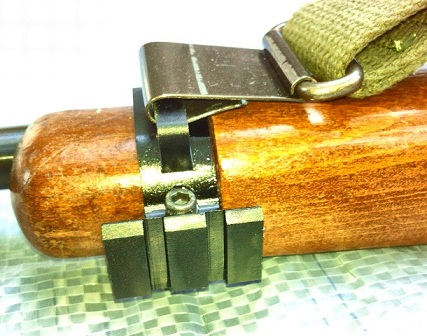
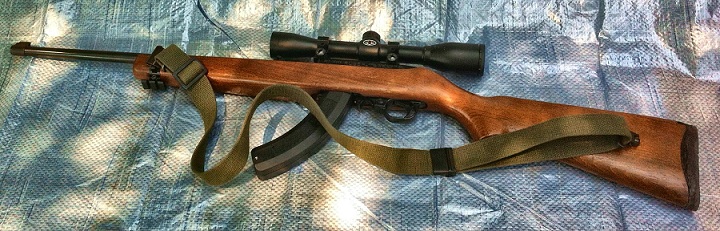
For a custom rifle and left handed shooter, yes. Put the sling on the right. I am right handed and want to give this rifle a flavor of something from WW-2. The 10/22 kicks its fired brass out the right side with enthusiasm. Putting the new sling on the left side might suggest kinship to the M 1 or PPS 41 and keep it out of the way of fired brass? This whole project is because the only replacement barrel band I could find when I needed to find one has that big slot for a sling-- on the side-- - and two big "tactical" rails. Otherwise, a regular sling under the rifle would have been easy. Or, even better, I have been doing fine with no sling at all. I expect that usually when I am at the range shooting, this sling and all the other rifle slings I have for 'when needed' will stay on that hangar in the gun safe. Here is an update and a couple of photos: The sling mod is complete. The M14 sling uses a sling swivel at the front and a spring steel clip at the back. I had to install this backwards on the Ruger because of the slot on the ProMag barrel band and the need to put a standard commercial swivel base on the side of the rear of the stock. Done this way the sling stays 'quickly detachable.' The sling could be rigged to use the military clip to attach to the rear swivel and be threaded through the barrel band slot if preferred, or just use the rear swivel assembly and not use the military spring clip. In this configuration there would be less leverage and chance of harm to the barrel band and its slot, but to remove the sling would require a lot of unthreading. Be aware that the Government Surplus M14 sling is 1 1/4 inches wide and requires a sling swivel that is 1 1/4 inches wide. The spring clip is U-shaped, open. To make it stay in place I put a box-end wrench handle, a narrow handle about 1/4 inch thick and 5/16 inch wide, in the top of the spring clip to help the reshaping process; used a vise with smooth jaw faces against the lower third of the open clip to squeeze and bend enough to make the clip be normally closed. The swivel mount on the side of the rear stock requires a 1 inch deep hole be drilled for the 3/4 inch long screw using a specified size drill. If you have a drill press, set it up to do this, and drill. For a hand-held drill motor and drill bit like mine, wrap some masking or duct tape around the drill bit so the right length of drill bit (1 inch!) is exposed. One layer of tape is enough, a thick collar is your choice. Use enough tape and a wide enough piece of tape to give you a good marker and so the tape will stay in place and not slide up or down the drill bit. The stock is only 1 1/2 inches thick and it would be too easy to drill all the way through. A slightly larger diameter drill bit and another tape collar is needed for the "countersink" at the top of the hole. The free-hand drilling tends to dive too deep too quick. Be prepared. Put some tape over the wood before drilling as instructed in the swivel mount instructions. I used a 1/16 inch nail set instead of a center punch to begin and it worked. I could not find my automatic center punch. Update, May 30, 2012: I have taken the rifle to the range and done some live fire. The sling is very nice to use to keep hands free for other things. Having the sling on the side of the rifle makes the rifle lay flat against my back. Not having the uneven shapes of the bottom of the rifle digging into my back is great. I tried carrying the rifle slung over my shoulder with a 25 round magazine in place, too. Everything stays very comfortable. I am going to remove the sling's steel spring clip and just thread the sling through the barrel band slot. The swivel will attach to the mounting stud on the rear of the stock.
-
It has been about six weeks since I bought the DPMS AR-15 Oracle. As noted the trigger is/was not really bad. I found this original trigger to be uncomfortable in live fire. It was smooth enough to be manageable but the long pull messes with my nerves. Pardon my mixing past and present tenses. Last weekend I found an RRA NM trigger that did not say in the catalogue "Out Of Stock." What it said was "Expected available On April 25." At 0600 on April 25 I filed my order and the computers accepted the order. Wow! In mid-afternoon I got an Email from that vendor that the trigger had been shipped. :o It arrived on Friday, US Mail. Tonight I installed this new RRA NM trigger in my DPMS Oracle AR-15. The difference is beyond actual description. The best I can do is say: "Thank You!" to my guardian Angels and to 'Whatever gods may be' (Longfellow?) for guiding me to a website I had never visited before and allowing this boon to come to pass! :beer:
-
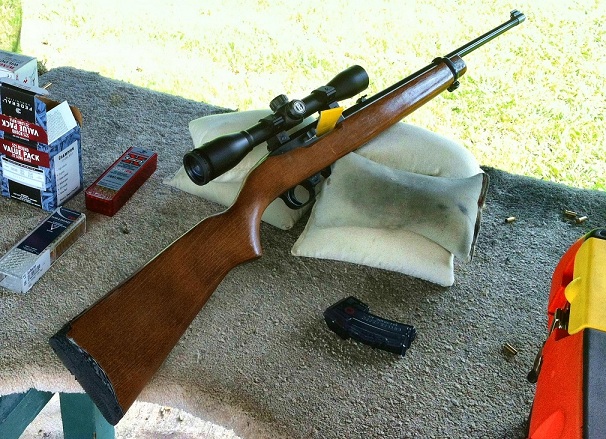
We all know that a Ruger 10/22 is always and continuously a 'work in progress.' I have tried to keep my carbine close to factory appearance. Cost is a factor and I like the rifle as Ruger designed it. My carbine recently broke its barrel band. The new barrel band (ProMag) has a large slot on one side for a sling. The slot can readily be positioned on either side. With a choice of only left or right side, which side to put the sling on? I have observed from images (Internet Explorer) that the M 1 Carbine sling and the Russian PPS 41 sling are on the left side. Most military rifles and SMG's have their sling on the bottom. There might be one or two with the sling attached to to the left side of the fore end and the bottom of the rear of the stock? On the M 1 and PPS 41 the rear sling attachment is in a deeply recessed cavity or slot on the side of the stock. That is not practical for me. I will just use a wood screw swivel base. 3 inches forward of the butt pad as stated in a How-To I found. It will be centered vertically on the left side of the stock as a nod toward the M1 and PPS 41. I am using an M 14 sling because it is the right material and color and is real (Govt. surplus) military. FWIW: Other forums seem to have very strong gun smithing talent and definitive instruction from experience for working on the 10/22. Mods like mine are not discussed but are referred to. Once I have completed this latest round of messing with my 10/22 and can manage some range time I will post a report of all I have done, the results, pictures. The pic below is a much-later add-on. Note the trace of white between the butt pad assembly and the wood; discussed later in this thread. The yellow Empty Chamber/Safe Bolt Flag is made from a strip of the packaging in a bubble pack, I think from a windshield wiper blades package. The color is good, cut the strip to the proper width and length, made a little roll at the free end and completed it with package sealing tape to hold it together and make it proof from oil and dirt. Needs a little piece of wood dowel/several toothpicks in a bundle/bamboo food skewer inside the curl because the bolt is squeezing it and damaging it. The aftermarket automatic bolt hold-open is good but releases too easily in routine handling of the rifle. The flag is a positive safety item. Click on any/all the pics below to make them much larger.
-
Howdy!! from North Dallas.
-
Cleaning my 10/22 last night, found the barrel band (carbine) broken. One of the lugs for the screw snapped off. Keyed "Ruger 10/22 carbine barrel band" into Internet Explorer, Amazon popped up with a (whothehellisthat) supplier displaying a pricey but supposedly all metal machined (?) tactical barrel band with slot for sling and two rails (?). At least one rail and a place to attach something like a laser? Brand of the band is ProMag, and it has already shipped according to Amazon Email. Today I got guilty feelings and checked Brownells. (Because they support our forums.) Could not find a Ruger 10/22 Carbine barrel band there at all, so its OK. April 23- update: The ProMag barrel band came in the mail today. Mailed First Class Parcel from Bellevue, WA. Fits very well on my 10/22 carbine.
-
This is a follow-up to my post of April 15 in this thread. I finally got around to cleaning my 10/22 last night. I discovered that the barrel band was broken. The lug that the screw goes through had snapped off. I do not know when this occurred. The first thing I did was find a replacement and put it on order. The second thing was to begin wondering if the last group on the target pic was tighter because all the pressure of the band on the barrel had been relieved? I will address this in my next trip to the range and report whatever I find. When I put the new barrel band in place I will try to not have so much pressure on the barrel, too. Excess pressure is in part a product of an accurizing pad that I added. I was just following directions. I will try to find out if the system suggested was valid. I will say that most of the pads are intended to keep the receiver secure. It is just the one pad under the barrel at the tip of the forearm that I am wondering about.
-
The trigger on my 10/22 from the factory was a little 'loose' feeling but not really bad. I took the assembly apart and added shims behind the little buttons that are on the fire control box. I also used oversize mounting pins to attach the trigger unit back to the receiver. The end result was a good solid trigger with very little cash spent. Springs in the assembly can be modified, also, to help adjust trigger pull weight. I found all this in various posts on the internet back about 2008. Most of those posts did, however, seem to date from the 1990's and first couple of years of the 2000's. Give me a few days. I am trying to get around to doing a post on my Cheep Cheep 10/22 Accurizing Mod. It will have the proper part identifiers and probably some pictures. I printed everything I could find for my use and possible future reference. I will get all that stuff out and see what I can manage about reporting my experience. There are drawings on the web with all parts, exploded diagrams, proper procedures for the 10/22. Parts are available everywhere. Start with minimum cash outlays and move up as you may prefer. Be aware that accuracy begins with the shooter. You need some up close and personal instruction from a person who actually knows what he is doing and why he is doing it, and who likes you. Trigger finger action is a whole universe, breath control is another, how you hold your gun(s) is a third universe. And that is just getting started. Try to learn to do things properly and learn good things up front. Bad things are quite difficult to unlearn. Disclaimer: What we do in configuring and reconfiguring our guns is an individual fun thing. For me, seeing how I can improve accuracy at least expense is the most fun. Do whatever you wish with your gun(s) and enjoy!!
-
Here is a pic of my April 10, 2012, ammo comparison series. There is no significant difference in these groups. The sequence was: lower right, Mini Mag 40 gr round nose; lower left, Mini Mag 36 gr HP; upper right Win Super X round nose 1300 fps; upper left Wildcat; then the range went 'Green.' When the range was 'Hot' again I adjusted the scope, fired two 10 shot clips at a different target to warm up the rifle and then the final 10 shot Federal group. I actually started with a warm-up series and then fired two 10-shot clips of Aguila SSS 60 gr at this target. Group 1 at the bottom left aiming dot, Group 2 at the top left stick-on dot. All of these vanished except for the mark at 3 O'clock in the '6' ring where a 60 gr Aguila bullet (?) seems to have penetrated the paper sideways. The first dozen of the Aguila's fed fine from a 20-round clip and then all went down the tube. The spring in the clip could not work properly when the clip was less than half full; feed was not working in other ways and many of the fired casings ended sideways between the bolt and the breech block. This failure to properly eject also occurred with the 10-round clip I switched to in the middle of all this. I would have a fired casing sideways & holding the bolt open with the next cartridge trying to feed into the chamber. I have a brick of Aguila looking for a home? I think this ammo needs a much faster barrel than the 1-16. It might work with an M-15 using a conversion bolt group or a bolt action fast-twist rifle. I do not trust it for my rifles. There are several chemistries that work as firearms propellants. I do not like the smell of the stuff Aguila uses in this ammo as a propellant. I think of Coriolanus Snow's roses? I was shooting with the rifle forearm resting on sandbags. The bags, or some of them, may have been a little wet. Wet sandbags do not work. The last group, the Federal brick, may have benefited from the sandbags being moved around as well as the general purpose scope adjustment. The 3 blue bullet holes at 6 O'clock in the red are from the other rifle. The blue is tape on the target back. The 2 white bullet holes at 6 O'clock very low are 300 gr hardcast 44 RM; these hit a foot high from the Smith 'N' frame at 25 yds on my last trip to the range. That revolver does well with anything I have fired, commercial or handload, from 180 gr to 240 gr. The 300 gr is a rifle load for my lever gun and this recipe does not work well in the revolver. I need to work up a better load for the Smith. The 300 gr Cast Performance hardcast is intended only as a backup for feral pig hunts with the primary weapon one of my 308 Win rifles. I prefer to shoot the 'N' frame with 240 gr SWC's and light charges of Unique. This comparison series is FWIW. Compare it to my other pics; things go differently on different days? And: click on the pic to make it bigger?
-
Loved a U-tube video where a girl shooting an AR had a hot shell casing go in her cleavage!! Lots of fast action!!! Garland Shooting range had some kind of fabric mesh between the shooting stations for as long as I know. Still does on the pistol range. This trip the fabric or screen-door grade stuff has been replaced with 1/4 inch hardware cloth. EPA has been there and the changes are apparent.
-
The last time I fired a M-16/15 was familiarization training before going to RVN. I have no recollection. Yesterday I took my DPMS Oracle to the range for the first time, and took my 10/22 also. I did some more ammo comparison with the 10/22 (pictures soon; there will be multiple posts). I had not quite managed to buy a recoil pad for the DPMS, went and did the initial firing sequences anyway. No one ever says anything. This is for those who do not know and want to hear something. My heavy-duty shooting clothing on a warm humid day was the usual T-Shirt and jeans (yes, shoes and socks!). My shoulder could not tell the difference between the feel of the Ruger 10/22 when it fired and the feel of the DPMS 5.56 MM/.223Rem when it went off. Whatever difference there is in the energy imparted to the rifles is seemingly absorbed by the rifles and their operating mechanisms. That is to say that both rifles make some sound that gets past the hearing protection (ribbed reusable ear inserts under a headset) and both rifles bounce a little, but that's all. For reference, recoil of a plain 12 ga shotgun or my Rem 700 in 7 MM RM is about like holding one end of a chunk of 2x4 against your shoulder and having someone hit the other end of the 2x4 with a full-swing baseball bat. Limbsaver pads (or similar in other brands) make shooting these hard-kickers fun-- again. Ejected casings from the 5.56 MM mostly flew into the preferred 3 O'clock-5 O'clock sector. Some from specific loading's were more toward One O'clock or 2 O'clock. Most ended in my fired-shell-catcher but some flew in strange directions or angles and there were a few ricochets of hot fired casings all over. One slipped into my shirt pocket and was too warm through the single layer of cotton against my skin!
-
Should be a warranty item?
-
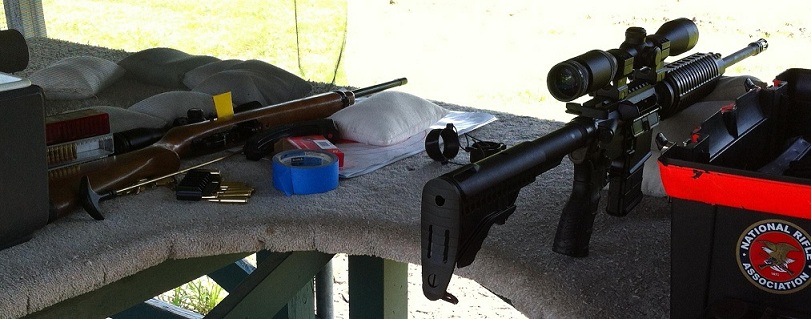
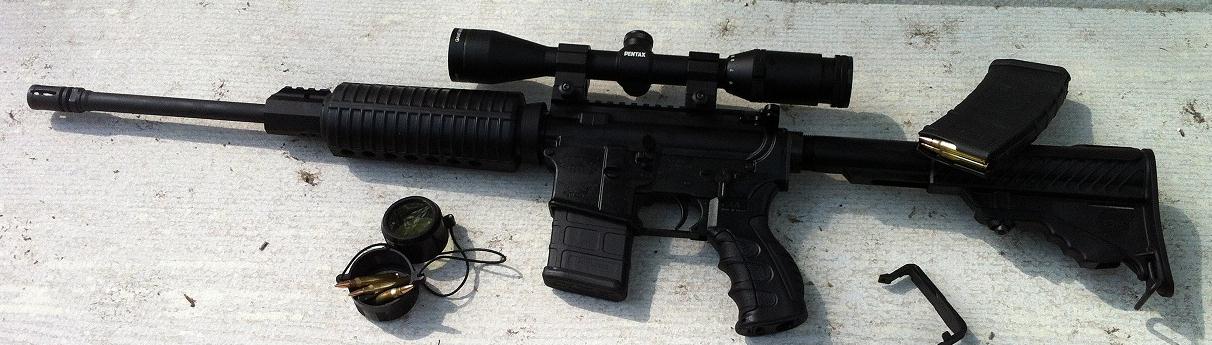
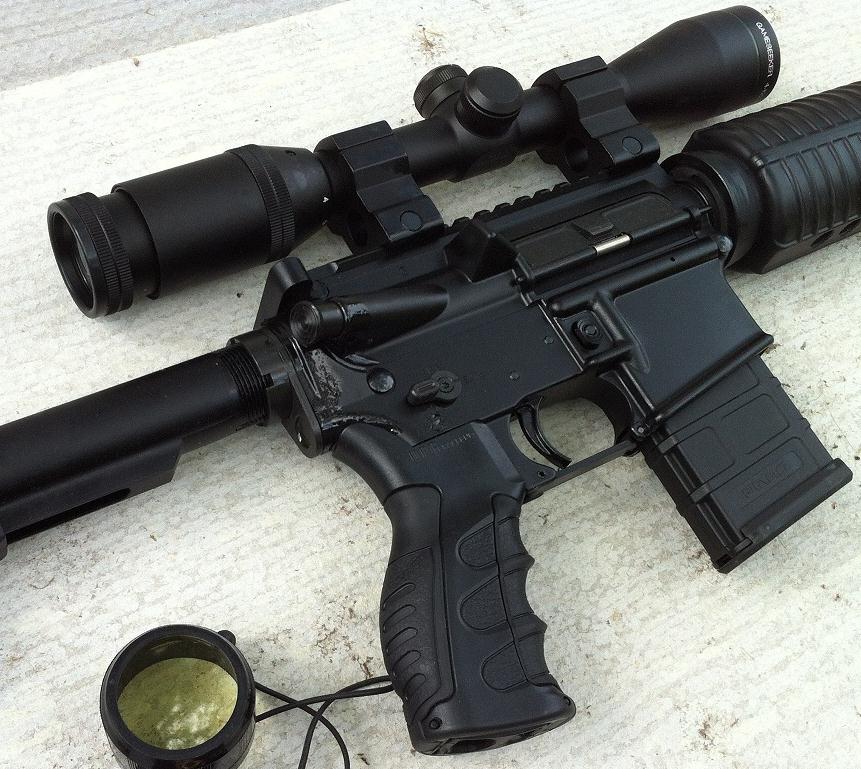
Here are the pictures. DPMS Panther "Oracle;" 5.56 NATO; Mods are CAA grip, Battle Arms ambidextrous safety selector, Burris tactical scope mounts, Pentax "Gameseeker" 4x-12x-40 scope. Pardon the excess oil from the first oil bath seeping on the side of the lower. Click on the pics to make them bigger?
-
The bad news: Uploading pictures is not possible :confused: with my computer/software. Sorry. The good (maybe) news: Sometimes the gremlins will allow copying of a picture into Email. Then I can send the missive to a moderator who uploads the picture to the site. Maybe. That is 'maybe' for both the gremlins and the moderator. ;D There is still a lot going on. Tonight Brownells did it to me again. They promise 7 - 10 days and hint at two weeks between ordering and arrival of those packages. I filed my order online Wednesday night or Thursday morning. Ref: first line in this thread. It was close to midnight, one side or the other. They gave the parcel to the US Mail (OK, by request). The stuff was on my front porch this afternoon (Saturday). That's not long enough to even develop a good case of anticipation? With parts in hand, The CAA grip and the BAD-A.S.S. selector got stuffed into the rifle. I use the biggest back insert on the CAA grip and that pushes my hand up high just like on a M1911 or a Smith. It also pushes my trigger finger down to the bottom of the trigger. Longer trigger moment arm, easier to pull the trigger. Dry fire, it feels like a passable handgun and not at all like a military two-stage. Maybe I can even like this trigger? Have to see how live fire goes before I will know. Need rings for my scope. I bought a Pextax 4x-12x - 40 MM from MidwayUSA a long time ago. Have done some checking and I need a set of affordable 1 inch tip-off rings that will give 1 inch clearance between the integral rail and the bottom of the scope. That will allow 1/4 inch clearance between the front bell of the scope and the handguard. Position of the scope above the rail will permit a basic set of high-lift rings. 'Tip-off' is optional. Tomorrow I will begin looking for a set of rings. There is Cabela's and on weekdays some others. After that I will go back to the internet. The keyword is 'affordable.' I awreddy gave up on the internet once, partly because of 'affordable' and partly because the descriptions leave too much doubt about how high that scope will be above the rail. Never nobody to talk to when I get to where I need telephone time around midnight or on a Sunday? ??? I promise pictures (see Paragraphs 1 & 2) when the scope is mounted; if the range still allows shooting this caliber/type of rifle (anti-gun lawsuit in progress), maybe even some targets?
-
Loose takedown pins, cheap accurizing. Measured the takedown pins mentioned in the previous noise and measured the holes. The culprit in the loose upper is the hole in the rear mounting lug. Almost 0.010 oversize. Thought about it and fell back on the airplane mechanics ultimate cure. Made a shim not quite as wide as the length of the hole and about 350 degrees inside the hole of beercan aluminum. Soda can, same thing. Took up almost all of the slack-- or, I can't tell that anything moves now. Beercan aluminum sounds like a joke. Its not. Beer/soda cans are made of 2024 aluminum, same stuff as airplanes from the 1930's until the 1990's and probably still for a lot of applications. Alloy of aluminum and copper. By the time it becomes a beer can it is 2024-T6 coated on both sides so it is almost proof against corrosion, maybe 0.005 +/- inches thick. Makes great shims. If needed the can can be cut in a spiral and wound straight to fill worn space. Fixed a clutch, worn plastic bushings where the only option was a too-expensive major assembly replacement. Clutch held up fine for 6 years and I sold the car. My screen doors swing on hinge pins with beer can shims to keep it all in alignment. Never forget where to find great shim stock!
-
Last night I read about tightening and accurizing an AR in this forum or in AR308. My front pin is tight, to my ability to tell. My rear pin is quite loose. With just the rear pin engaged, movement of upper vs lower is easy to see. Time to find and try an oversize pin. Can't help but think a "repair kit' would be nice. A threaded stainless sleeve (with drill bit or hone and tap) that could be put into the hole in that lug along with lots of Locktite. The hole in the sleeve would be slightly undersize. Use (the?) wood dowel and polishing grit to open the hole just enough for a tight press fit. No, not an arbor press but maybe need a cartridge to assist? Something better than fingers. The pin would still loosen quickly enough. All just a little game for DIY gunsmithing? And maybe not workable?
-
I do not have much patience. I do not think I would do well with the Jard. I need to see what happens with the OEM trigger first, in any case. Then if I feel still in need, Bill Springfield may be my best next option. 15 minute break: Took the new AR apart, stuffed a wad of Kleenex between the hammer and frame cross-piece so the cross-piece does not get beat up or cracked; hold two fingers across the top of the lower to catch the hammer and reset it and help keep the pad in place in case. In 10 minutes I have pulled the trigger and released and reset the hammer nearly two hundred times or more. lost count. It is smooth now. It does not feel like a two-stage trigger but a lot more like a handgun. Maybe like a pathetic but smooth M1911? It could be a lot lighter pull, but that might not be a good thing. Let us see what we really have. >:D ::) 10 minute break. This is too easy. 5 gallon bucket with bail, wire coat hanger, balance scale, water supply. The slide on the scale arm is in the middle of the last increment short of 6: 5 lb 14 oz. That was just enough weight to trip the trigger - 4 times with a little water taken out and a little added back until it did again. A pound and a couple of ounces less would be nice but maybe for now it is best to leave it alone. My demon is bugging me to calibrate the scale with a bag or a couple of bags of sugar. ??? Can't stand it, must know. >:( So the 10 lb bag of sugar balances at an indicated 10 lb 2 oz. :beer: Subtract 2 oz from the trigger pull and it is 5 lb 12 oz. The lower and the BCG still need their initial oil bath (clean with brake cleaner, slop on Mobil One Full Synthetic 0, 5, maybe 10W-20 or 30 [whatever turns up these days!] mixed with 25% Kroil; let sit awhile; dry with paper towel) and some live fire. Then it will be time to think about the trigger again. Oil bath for the upper will be after first live fire. Bore break-in. A few rounds with minimal lubrication (initial cleaning with brake cleaner and then Hoppe's before first shoot) to possibly smooth tool marks some. I will read the manual, too. Might change my mind or procedure with more info.